Some Things Can't Be Rushed: The Slow Satisfaction of Objects That Ask You to Wait

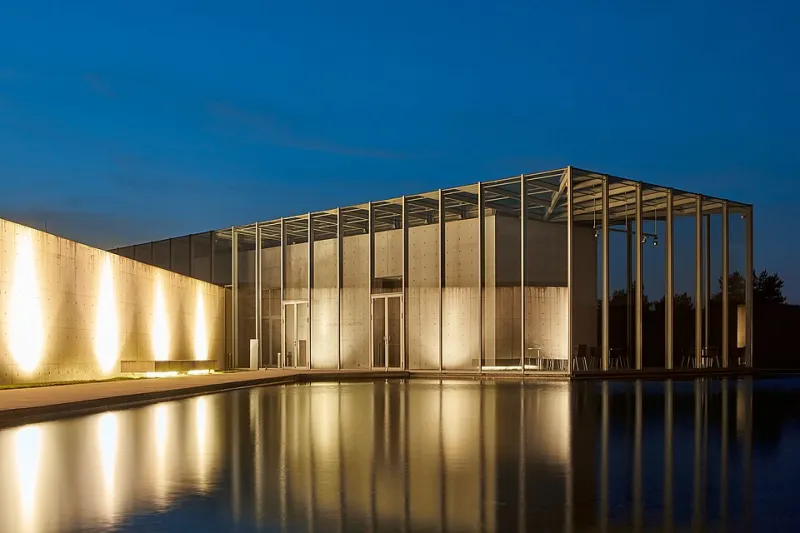
Photo: SpeakingArch, CC BY-SA 4.0, via Wikimedia Commons
There's a cast iron skillet sitting in a lot of American kitchens right now, still sticky, still a little gray, still kind of a disappointment. The person who bought it watched a video, got excited, ordered it online, and expected it to perform like the one their grandmother had. The one their grandmother had took twenty years to become what it was.
That gap—between the object you receive and the object it eventually becomes—is where a lot of modern frustration lives.
We're not great at waiting. We're not really set up for it. Algorithms surface things we didn't know we wanted. Checkout is frictionless. Delivery is fast. And so we've quietly trained ourselves to expect that acquisition equals ownership equals satisfaction, all in one clean transaction. But some of the most meaningful things in a well-designed life don't work that way.
The Japanese Idea of Becoming
In Japanese craft culture, there's a deep respect for the idea that objects aren't finished when they leave the maker's hands. They're finished—or maybe more accurately, they're becoming—through use. The leather that softens. The wood that darkens. The ceramic glaze that shifts subtly over years of handling.
This isn't just poetic. It's a design philosophy. Objects are often made with the expectation that time is an ingredient. The patina isn't a flaw that happens despite the material; it's a feature the material was always moving toward.
That framing changes everything about how you relate to something. If you know that your linen tablecloth is going to look better in three years than it does today, you stop being disappointed that it wrinkled the first time you washed it. You start being curious about where it's going.
Delayed Gratification Isn't Deprivation
We tend to talk about delayed gratification like it's a kind of suffering—a thing you endure on the way to a reward. But that's not quite right. When you wait for something, or work toward it, or let it develop at its own pace, you're not just postponing pleasure. You're building a different kind of relationship with the object entirely.
Think about a skill. A person who learns to cook slowly—who fails at bread a dozen times before getting it right—doesn't just end up with better bread. They end up with a different relationship to their kitchen, to flour, to time. The knowledge is embodied. It lives in their hands.
The same principle applies to objects. A knife you had to learn to sharpen properly. A bag you had to break in. A plant you almost killed twice before you figured out its water schedule. These things carry a history with you. They're not interchangeable. You couldn't just swap them out for a newer version and feel the same way.
The Problem With Instant Everything
Here's what immediate gratification actually costs us: it keeps us in a permanent state of evaluation. When something arrives already perfect, or already optimized, we're always asking whether we made the right call. Could we have gotten something better? Is there a version 2.0? Did the algorithm know something we didn't?
But when you've waited for something, or grown into it, that question loses its grip. You're not evaluating anymore. You're just using it. Living with it. It's yours in a way that a quick purchase rarely is.
There's a reason people get attached to beat-up furniture, worn-in jackets, and chipped mugs they've had since college. It's not nostalgia exactly. It's that those objects have absorbed something of the life lived around them. They've been shaped by time in a way that a brand-new replacement—even an objectively nicer one—simply isn't.
What Patience Actually Looks Like in Practice
This doesn't mean you have to make everything difficult. It's not about manufacturing suffering or refusing convenience on principle. It's more about recognizing which things are worth the slower path—and letting yourself take it.
A few ways this shows up in real life:
Buying less, but better. Choosing one well-made item and giving it time to become yours, rather than cycling through several cheaper versions that never quite earn your loyalty.
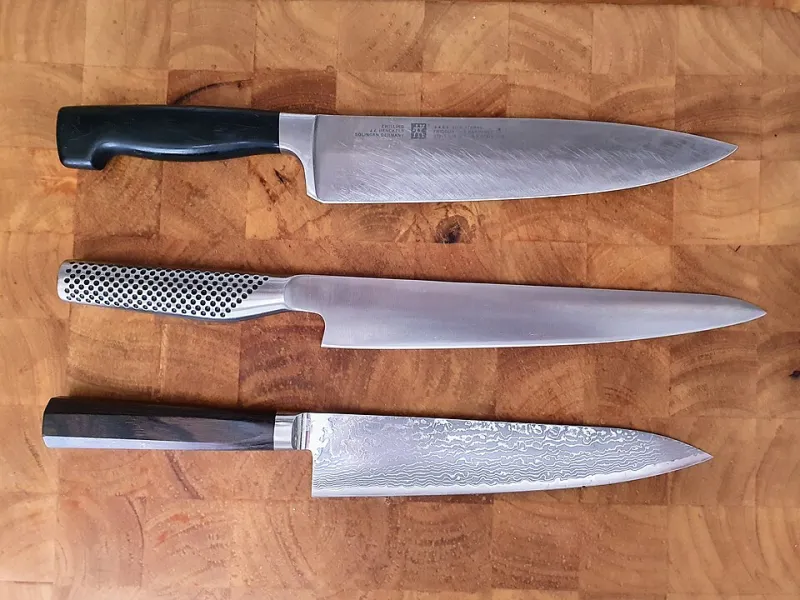
Learning to use things properly. Cast iron. A good knife. A manual coffee grinder. A lot of tools have a learning curve that pays off enormously once you clear it—and the process of learning is part of what makes you care about the result.
Letting materials do their thing. Raw denim fades to your body. Leather molds to your hand. Solid wood expands and contracts with the seasons. When you buy materials that age, you're signing up for a relationship that changes over time. That's a feature, not a bug.
Resisting the upgrade impulse. Not every new version is better in the ways that matter. Sometimes the thing you already have—the one you've broken in, the one that fits your habits—is already the right answer.
The Quiet Satisfaction Nobody Talks About
There's a particular feeling that comes from using something you've had for a long time. It's hard to describe because it's not dramatic. It doesn't spike. It's more like a low, steady warmth—the comfort of familiarity, of reliability, of knowing that this thing will do what you need it to do because it always has.
That feeling is increasingly rare. And I think we miss it more than we realize.
We're surrounded by things that are new, optimized, reviewed, and rated—but not known. Not yet. Knowing takes time. It takes use. It takes showing up with the same object over and over until it stops being something you bought and starts being something that's just part of how you live.
The waiting room principle isn't really about waiting. It's about recognizing that some of the best things in a life—the most satisfying, the most meaningful, the most truly yours—aren't delivered. They're built, slowly, through attention and time.
The skillet will get there. You just have to keep cooking.