Mottainai: The Japanese Word That Might Make You Fall Back in Love With Your Old Things
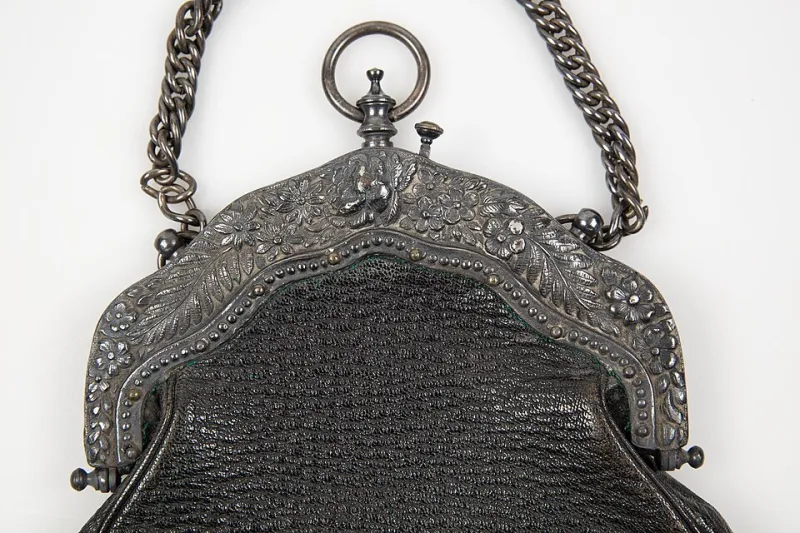
Photo: Unknown, No restrictions, via Wikimedia Commons
My grandmother had a coat she wore for thirty-one years.
It was a camel-colored wool blend, structured at the shoulders in the way coats were in the early 1970s. Over three decades, she had it relined twice, replaced the buttons once, and had a tailor take in the waist after she lost weight following a surgery. When she finally stopped wearing it — not because it had failed her, but because she'd moved to Florida and genuinely no longer needed a heavy coat — it was still in remarkable shape.
I didn't understand, at the time, what that coat represented. Now I think about it constantly.
A Word With Weight
Mottainai (もったいない) is a Japanese concept that surfaces most often as an expression of regret — specifically, the regret felt when something of value is wasted. It's what you say when food is thrown out, when a good tool is neglected, when a garment ends up in a landfill after three wears. But mottainai is more than an exclamation. It's a lens.
The concept is rooted in a deep respect for the intrinsic value of objects — not just their monetary worth, but the resources, labor, and care embedded in them. In Japanese Buddhist tradition, this extends to a belief that objects carry something like a spirit, and that discarding them carelessly is a kind of disrespect. You don't have to subscribe to that metaphysics to feel the weight of the idea. Most of us, if we're honest, have a version of this feeling already. The guilt of throwing away something that still works. The particular sadness of a well-made thing ending up in a donation bin after a single season.
Mottainai names that feeling and takes it seriously.
The Counter-Narrative We Actually Need
American consumer culture runs on a very different logic. Newness is aspirational. Worn things signal poverty or carelessness. The fashion industry, in particular, has built an entire economic model on the premise that what you owned six months ago is already inadequate — that staying current requires constant acquisition.
Fast fashion has made this cycle faster and cheaper, which has made it harder to resist. When a new shirt costs twelve dollars, the calculus around repairing an old one shifts completely. Why fix when you can just replace?
Mottainai answers that question not with economics, but with values. The point isn't whether repair is cheaper than replacement (it often isn't). The point is what your relationship to objects says about how you move through the world. Choosing to extend the life of something — to invest time and attention in its continuation — is a statement about what you think matters.
What Wear Actually Means
There's a reframe embedded in mottainai that takes some getting used to in an American context: wear is not damage. It's evidence.
The Japanese aesthetic concept of wabi-sabi — an appreciation for imperfection and transience — runs parallel here. A worn leather bag, softened and shaped by years of use, is not a lesser version of the bag it was when new. It's a more specific one. It carries the record of where it's been.
This is the logic behind kintsugi, the practice of repairing broken pottery with gold lacquer. The repair isn't hidden — it's highlighted. The fracture becomes part of the object's story, and the story is considered beautiful.
Applied to clothing and household objects in an American context, this might mean:
- A well-worn denim jacket with frayed cuffs that you've patched rather than replaced
- A wooden cutting board that's been oiled and sanded back to life a dozen times
- A ceramic mug with a hairline crack that's been carefully repaired and kept in daily rotation
- Shoes that have been resoled twice and fit your feet in a way no new pair ever quite will
None of these things are perfect. All of them are yours in a way that something brand-new simply isn't yet.
The Practical Work of Extending a Life
Mottainai isn't purely philosophical — it has practical implications for how you care for and interact with what you own. A few approaches worth considering:
Learn basic repair skills, or find someone who has them. The cobbler, the tailor, the shoe repair shop — these are not relics. In most mid-size American cities, they still exist, and the cost of a professional repair is almost always less than the cost of a quality replacement. Hemming pants, replacing a zipper, resoling boots: these services extend the life of things by years.
Treat maintenance as part of ownership. Conditioning leather. Washing wool properly. Sharpening knives. Oiling wooden surfaces. These small acts of care aren't chores — they're the ongoing conversation between you and the things you've chosen to keep. Objects that are maintained last longer and, often, look better.
Buy less, but buy better. Mottainai is easier to practice with things that were worth caring about in the first place. A well-made garment from quality materials will respond to repair and maintenance in a way that a fast-fashion piece simply won't. The initial investment is higher, but the lifespan is categorically different.
Sit with the impulse to replace before acting on it. When something feels worn out or outdated, ask honestly: is this object actually failing me, or have I just stopped paying attention to it? Sometimes a good clean, a small repair, or simply seeing something with fresh eyes is all that's needed.
The Luxury of Enough
Here's what I've come to think about my grandmother's coat: it wasn't a symbol of scarcity. It wasn't that she couldn't afford a new one. It was that she understood something about objects that our current culture has largely forgotten — that the relationship between a person and a thing deepens over time, and that depth is worth something.
There's a particular kind of luxury in that. Not the luxury of having the newest or the most, but the luxury of knowing your things completely. Of owning a jacket that fits the specific shape of your shoulders. Of using a pan that you know, intuitively, how to cook in. Of wearing shoes that have been with you long enough to feel like an extension of your body.
Mottainai isn't about deprivation. It's about attention. It's the practice of looking at what you already have and asking, genuinely, what it would take to keep it — and finding that the answer is usually less than you'd think.
The things worth keeping are almost always worth the effort. And the effort, it turns out, is part of the point.